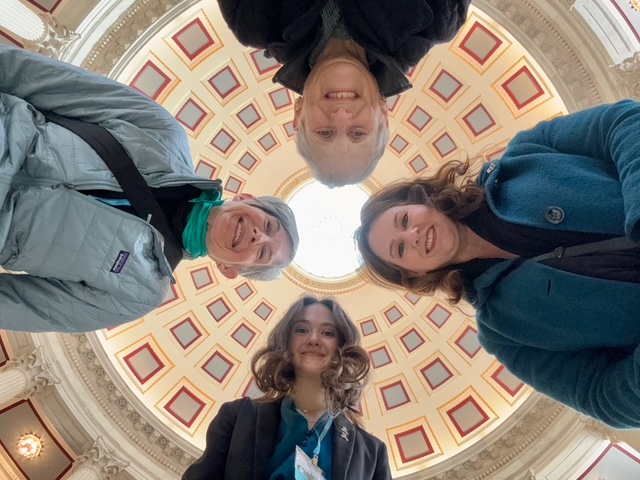
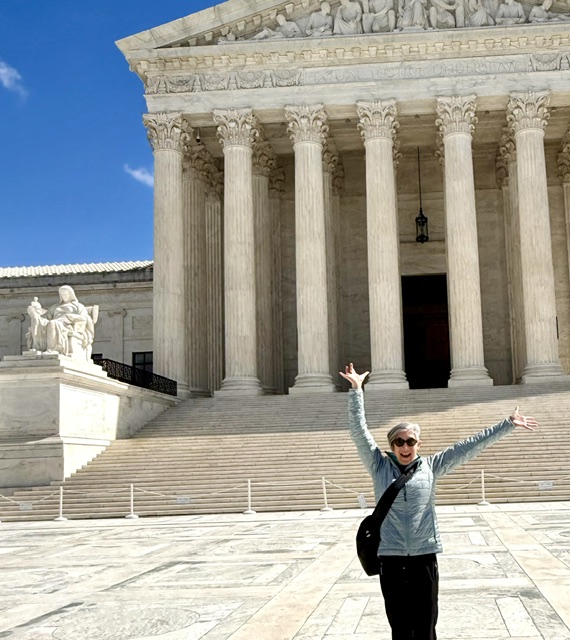
I am not a policy wonk. But I’ve learned something I didn’t expect…just like cancer, policy is deeply personal. About three years ago, I realized my ovarian cancer advocacy needed to grow. Sharing my story mattered—but I wanted to understand the systems shaping outcomes for patients like me and the scientists searching for answers. That’s when I found the Ovarian Cancer Research Alliance (OCRA), an organization with a powerful reputation for turning personal stories into policy change.
Every spring, OCRA brings Advocate Leaders from across the country to Washington, D.C. to speak directly with lawmakers—to ask for more: more awareness, better policies, and critically, more funding for ovarian and gynecologic cancer research. This year, 122 of us from nearly 40 states showed up, united by something none of us asked for, but all of us carry.
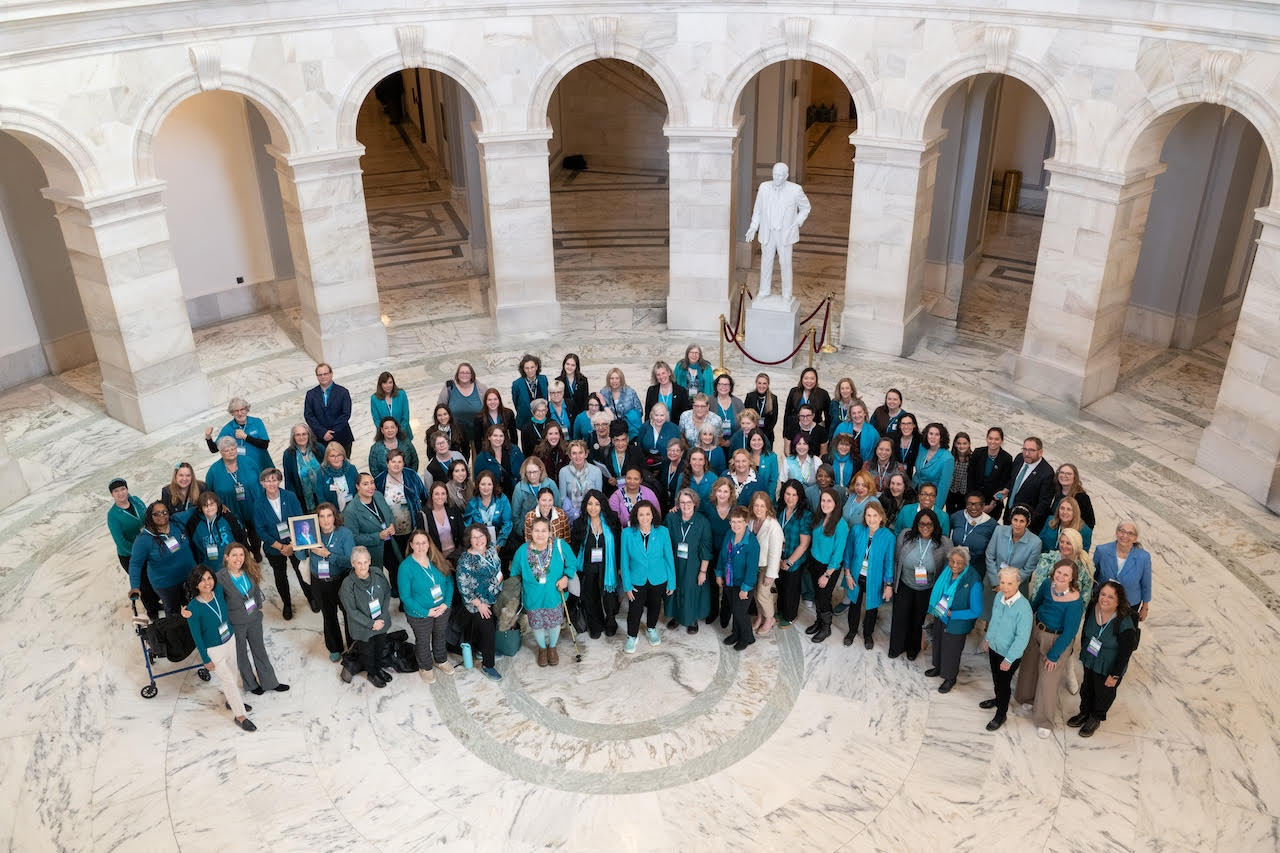
We spent a full day preparing—learning the issues, refining our message, and strategizing for conversations that we hoped would make a difference. We came armed with facts, statistics, and clear policy asks. But what mattered most… were our stories. On the morning of March 17th, I walked alongside three other advocates from Washington state toward the Senate and House office buildings. We were prepared. We had practiced what we would say. We knew exactly what we were asking for. And yet, what stayed with me most in those meetings wasn’t the policy language. It was the moments when the room shifted—when a legislative aide leaned in just a little closer, when eye contact held a little longer—because what they were hearing was no longer abstract. It was human. It was us.
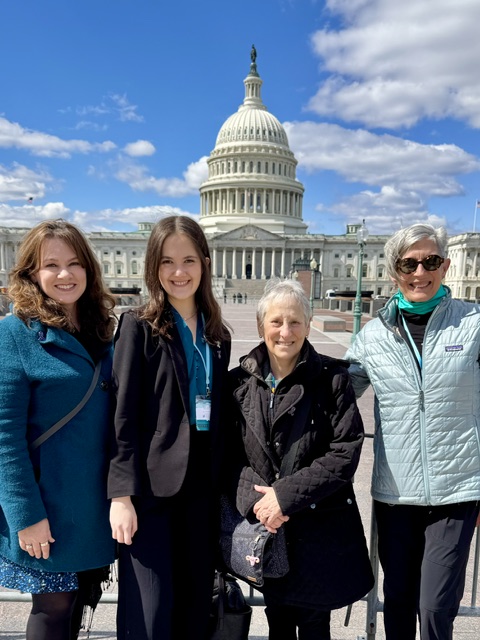
I am still no policy wonk. But I do know this: policy is shaped by people who have often times also been touched by cancer, people who care about their communities, and people who want to do the right thing. Our job is to help close the distance between decisions and the lives they affect. To make sure they don’t just see numbers on a page, but faces, families, and futures hanging in the balance. Because there are so many women who cannot be in those rooms. Women whose voices have been quieted too soon. Women whose stories deserve to be heard. So we speak. We tell them who we are. We tell them what we need. And we carry those voices with us—into every hallway, every meeting, every ask—until we are heard.